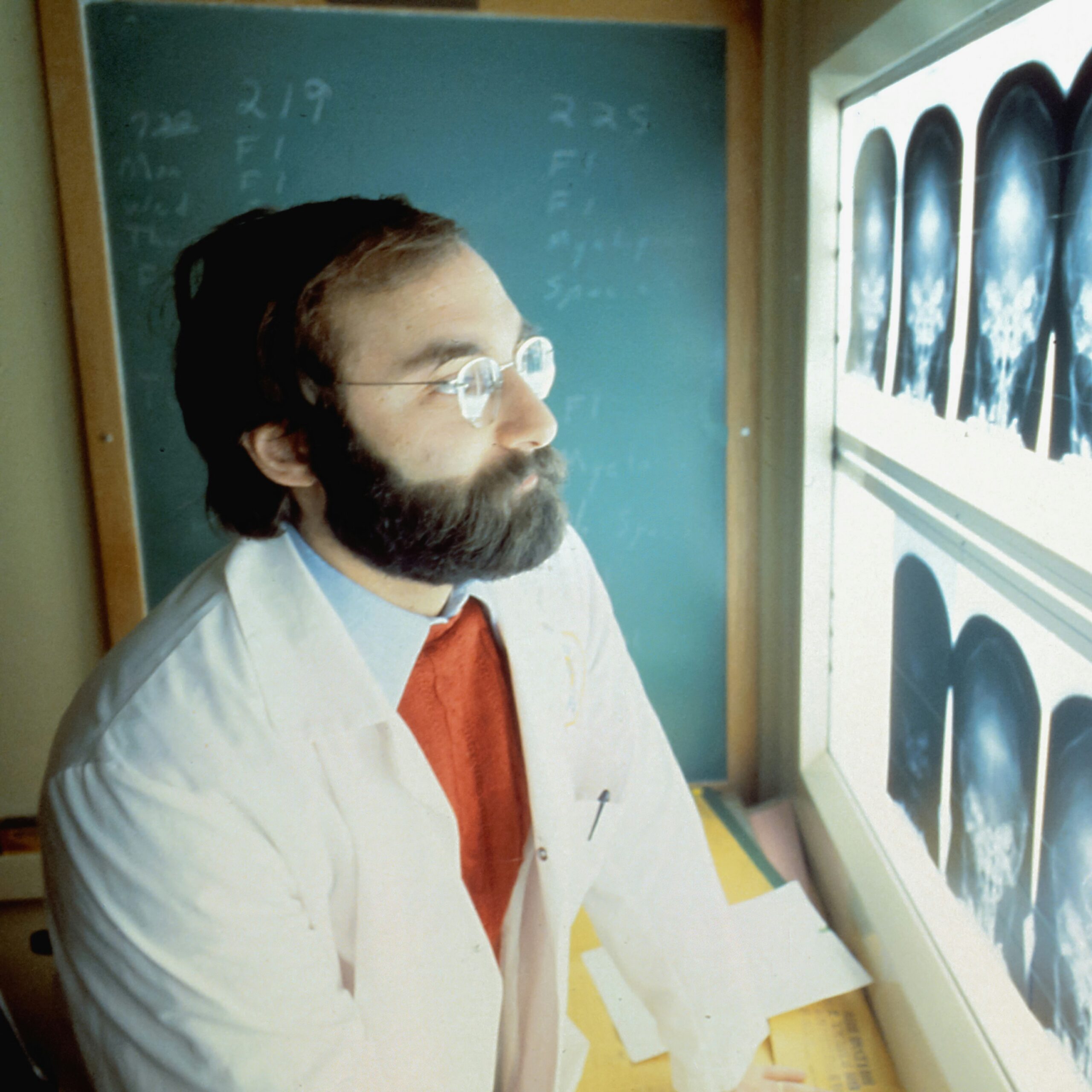
AI is growing rapidly in healthcare and can support clinical diagnosis, for example by analysing X-rays, MRI and CT scans to find patterns that may escape the human eye. In this Spanish editorial, the authors warn that enthusiasm for these tools can overlook the risk that they perpetuate or deepen disparities based on gender, race and ethnicity. They argue for an intersectional approach, which looks at how different social identities overlap and create combined forms of disadvantage.
The authors explain that AI can reflect and amplify the biases in the data it learns from, including the unconscious biases of health professionals. They give several examples: AI systems analysing chest X-rays that more often missed disease in Hispanic patients and patients with public health insurance in the US than in White patients; medical records describing the symptoms of African American patients in pejorative terms; and a fracture risk calculator that underestimated risk in Black women, producing data that may later be used to train AI.
They conclude that answering the question “health for whom?” requires moving beyond guidelines and good intentions to enforceable rules. They call for more diversity among researchers, better methods to detect intersectional bias, common standards for recording social identities, and legal frameworks that address under-representation and unconscious bias, not only safety and privacy.
Learn more about this article here: https://doi.org/10.23938/ASSN.1077
Reference:
Amaya-Santos, S., Jiménez-Pernett, J., & Bermúdez-Tamayo, C. (2024). ¿Salud para quién? Interseccionalidad y sesgos de la inteligencia artificial para el diagnóstico clínico [Health for whom? Intersectionality and biases in the use of artificial intelligence in clinical diagnosis]. Anales del Sistema Sanitario de Navarra, 47(2), e1077.